20 Myths About Filter Coffee Machine With Timer: Dispelled


Filter Coffee Machine With Timer
Filter coffee maker with timer is a simple-to use machine that can be programmed to filter. It also comes with a built-in coffee grinder, which is an added benefit. Freshly ground beans are crucial to making a great cup of coffee.
It comes with a permanent, reusable filter. You can also use paper filters. It has a good number of user reviews, and most people seem happy with it even though they've experienced some faults.
Features
A timer is a great tool to ensure that you drink the right cup at the right time, regardless of whether you prefer your filter coffee light or strong. This feature is especially useful when you need to wake up in the morning or if you are preparing for the day ahead. Simply select the desired time while making your coffee and the appliance will automatically turn on at the set time.
Filter coffee makers are a convenient and affordable alternative to expensive bean to cup models. They're also easy to clean. A majority of filter coffee machines come with filters that can be removed and are dishwasher safe, making them a convenient option for everyday use. Some filter coffee makers feature mills built-in that makes it much easier to grind your beans to the correct size. This is an excellent option for those who prefer a more hands-on approach of filter coffee making. But it is important to keep in mind that the quality of your coffee will depend on the ability to grind your beans properly and how fresh they are.
A good filter machine equipped with a timer, will maintain a constant temperature and pressure, which is crucial for brewing the best cup of filter coffee. If the water is too hot, it will not extract the full flavors from the grounds of the coffee, and drinking too much could result in bitterness. The ideal time to brew filter coffee is 4 to 6 minutes, which gives the grounds enough time to release the delicious flavor without becoming bitter.
A good filter coffeemaker that has a timer should also have the ability to adjust the flow rate. be adjusted, allowing you to control how much coffee is brewed. We tested the Wilfa Classic CMC-100 with a flow of 0.25 l and found that it produced a balanced, nuanced filter coffee. The only downside was that the flow-regulator slowed when it was closed, which resulted in the coffee being a bit overextracted and slightly bitter. This wasn't a major issue as the filter coffee was excellent.
Functions
A filter coffee maker is designed to make preparing delicious cups of coffee easier. After you've filled the water tank, put in the filter and coffee grounds and set the temperature and brewing time all you have to do is press the button to begin the brewing process. The machine will warm the water before spreading it evenly over the grounds, resulting in rich flavors, without bitterness. When the brewing process has been completed the coffee will spill into the carafe.
It is essential to fill the water tank of the machine with clean fresh water, which is free of mineral deposits that can affect your coffee's taste. It's important to select the appropriate size of coffee grounds and filter to suit your brewing needs. You must also be aware of the cycles of brewing and how they impact extraction time and water pressurization. Ideally the water should be between 88degC and 92degC to achieve optimal extraction without sacrificing flavor.
With a timer equipped with an LED display, you can easily program an exact time for your filter machine. Set the appliance to switch on at a specific time in the evening and then wake up to the aroma of freshly brewed coffee. The clear water tank has a recess to hold the handle and easy-to-read cup markings that make it simple to measure out your coffee and water ingredients.
Before placing the coffee grounds and filter in the basket it is an ideal idea to spritz the grounds with hot water in order to get rid of any sediment and then heat the filter for optimal extraction. It's also an ideal idea to use medium to finely roasted coffee beans, since this will result in an even beverage. Place drip coffee pot and grounds inside the basket, making sure they are distributed evenly for an even coffee. Next, pour the measured amount of water into the designated area of the machine. It's usually placed between the filter and the wall. It is important not to overfill the tank since this could result in over-extraction, which could result in a bitter taste.
Energy efficiency
Filter coffee machines use a significant amount of energy to heat water in order to make coffee. This means they are less efficient than other methods of brewing such as the French press moka pot, V60. By shutting off the heating element when the coffee is ready to pour, a filter coffee machine equipped with a timer can conserve energy. This feature can reduce operating costs for businesses that rely on filter-coffee to start their day.
Another way to improve the efficiency of energy use in the filter coffee maker is to buy one with an open water tank that allows users to easily check the level of water. It is then possible to ensure that they are using clean fresh water to make their coffee. This helps prevent the accumulation of mineral deposits, which can affect the taste and quality of the drink.
Some filter coffee machines come with an integrated mill that allows users to grind their coffee prior to the brewing process. This can result in an aromatic and delicious cup of coffee. However it is crucial to remember that the coarseness of the beans will eventually influence the making process. Make sure to use a medium grind size for the majority of filter coffee machines.
The energy efficiency of filters in a coffee maker can be increased by selecting the right type and size of filters. Paper filters are available in various sizes and shapes that work with various coffee maker models. Reusable filters made of materials such as stainless steel are also an excellent option for filter coffee machines. These filters can also reduce waste and help you save money on replacements.
Other methods to boost the efficiency of energy used by filters coffee machines include buying one with motion detection technology that switches off the machine's heating elements when it is not in use. This will lower the operating expenses of companies who use this machine to make their morning coffee. The coffee maker can also be set to switch into standby mode with low power after a period of inactivity. This can save more electricity.
Maintenance
You can set the timer on an espresso machine to precisely the time you'd like the coffee ready the next morning. You can also reduce energy consumption by only using the required amount of water.
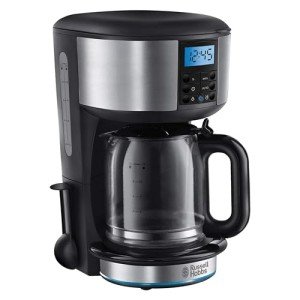
It is important to clean and descale your coffee machine regularly to keep it running smoothly. Over time, minerals from the water can build up in the pipes and tubes of your coffee maker blocking them and slowing down the performance. You can remove these deposits using a solution of equal parts white vinegar or a commercial descaler. It's best to descale your machine every one to three months.
You should also rinse the water tank every week. The coffee maker has an open water tank that allows you to easily see the water level. It also has recessed grips that allow you can easily remove it from the unit and refill it. It's dishwasher-safe, making cleaning quick and easy.
No matter what kind of coffee you choose to make the right way, regular maintenance will help your filter coffee machine last longer and ensure that it is operating at its peak. A clean and hygienic machine will produce better tasting, more aromatic coffee and reduce the chance of mineral build-up which could cause the machine to lose its lifespan.
Regularly cleaning your coffee filter machine will improve its efficiency, saving you time and money. It will also protect you from the frustration of awakening to a depleted pot of coffee and having to wait until it's ready to be brewed again. Keeping your coffee machine clean will prevent it from smelling rancid and decrease the possibility of a fire, which can result from overheating or a bad one-way valve.